eISSN: 2574-9838


Review Article Volume 11 Issue 1

Regret for the inconvenience: we are taking measures to prevent fraudulent form submissions by extractors and page crawlers. Please type the correct Captcha word to see email ID.
1Faculty of Health Sciences, University of Malta, Malta
2Department of Cardiovascular Diseases, Italian National Institute of Health Rome, Italy
3Diabetes & Endocrinology, Mater Dei Hospital, Malta
Correspondence: Erica Bartolo PhD in Faculty of Health Sciences, University of Malta, Msida, Malta, Tel +356 79332800
Received: December 08, 2025 | Published: January 27, 2026
Citation: Bartolo E, Giacomozzi C, Coppini DV, et al. Segmental lower limb mobility, muscle activity and plantar pressure analysis in individuals living with diabetic peripheral neuropathy: a systematic review and meta-analysi. Int Phys Med Rehab J. 2026;11(1):7-22. DOI: 10.15406/ipmrj.2026.11.00411
Background: In the presence of diabetic peripheral neuropathy, plantar ulceration occurs on high plantar pressure areas due to the repetitive, excessive mechanical loadings which causes tissue breakdown. Through this systematic review and meta-analysis, it is hoped that the underlying mechanism of what causes plantar ulceration is understood by looking into the effect of diabetic peripheral neuropathy (DPN) on gait patterns and plantar pressures.
Research Question: What are the effects of diabetic neuropathy on lower limb kinetics, kinematics, muscle activity, spatiotemporal parameters and plantar pressure distributions in type 2 diabetes?
Methods: A systematic literature search was done for studies evaluating the effect of DPN on joint kinetics and kinematics, electromyography, spatiotemporal parameters and plantar pressures during gait. Following a quality assessment of the sixteen studies, qualitative and meta-analysis was performed on these outcome measures.
Results: The findings suggested that participants living with DPN exhibited reduced knee, ankle and rearfoot (Sha-Cal) kinematics, higher midfoot and rearfoot peak pressures and higher pressure-time integrals in the medial and lateral forefoot and midfoot regions. However, conflicting results were present in the spatiotemporal and electromyographic findings. Further research is required due to the paucity of information on this subject matter.
Significance: Literature states that DPN may cause decreased knee and ankle joint movement, resulting in inadequate dorsiflexion during heel strike, thus redistributing plantar pressures to the midfoot and forefoot for longer periods, increasing the risk of ulceration. Further research, even in the presence of active ulceration, is required to understand better the underlying pathomechanics of DPN during gait.
Keywords: Diabetic peripheral neuropathy, plantar pressure, joint kinetics, joint kinematics, electromyography
Diabetic peripheral neuropathy (DPN) is the most common complication of diabetes, affecting up to 50% of individuals and their quality of life.1,2 DPN is characterised by the progressive loss of proprioception, somatosensory sensitivity and intrinsic distal muscle function.3,4 These manifestations may lead to modification in the amount and quality of sensory information necessary for motor control resulting in high instability during gait and muscle weakness. These musculoskeletal complications may cause bony deformities, such as clawing of digits and prominence of metatarsophalangeal joints (MTPJs) and increase plantar pressures resulting in skin breakdown and ulceration.1,5 Since the repetitive action of mechanical stress during gait in the presence of DPN may lead to ulcer development, better understanding of the mechanism and biomechanical components of ulcer development is of vital importance.6,7 Diabetic foot ulceration (DFU) imposes a huge physical, psychological, economic and social impact to the individuals themselves and the health care system. Literature shows that DFU are found on high plantar pressure areas, however, in the absence of neuropathy, high pressure areas alone do not lead to ulceration.8–10 This shows that other underlying biomechanical factors, as a result of DPN, may play a role in the increase in plantar pressure areas resulting in neuropathic ulceration. In a systematic review conducted by Hazari et al,11 it was found that there were significant differences in hip, knee and ankle joint kinematics and kinetics between individuals living with DPN when compared to 'healthy' controls.11 However, further analysis, including the investigation of foot joint structures, lower limb muscle activity and pressure-time integral (PTI) during gait, would also help identify the underlying mechanism of plantar pressure distribution and tissue breakdown in the presence of neuropathy. Therefore, this systematic review and meta-analysis aims to provide a comprehensive understanding of lower limb joint and muscle function and plantar pressures during gait in the presence of DPN. This, in turn, may provide evidence for the design of more efficient and specific treatment options of healing in order to prevent risk of amputation and reulceration. Reducing the mechanical loading on the ulcerated foot during gait may influence the healing of DFU and provide preventative mechanisms of ulceration and reulceration.6,12–14
The Preferred Reporting Items for Systematic reviews and Meta-Analyses (PRISMA) guidelines were followed whilst conducting this review.15.
Literature search strategy
A systematic search was performed by the first author using electronic databases (PubMed, CINAHL, Medline OVID, Cochrane Library, and Google Scholar) for articles reporting on the effect of DPN on lower limb joint kinematics, joint kinetics, spatiotemporal parameters, muscle activity and plantar pressures during gait. The literature search was limited to articles published between January 2000 and June 2025, since the aim of this review was to analyse changes in gait strategies in the presence of DPN using the latest three-dimensional technology which was introduced in the early twenty-first century.16–18
The following keywords and MeSH headings were used:
Study selection
Eligibility assessment was performed independently in an unblinded standardised manner by two reviewers. The initial database search was done by the first author aiming to identify studies investigating at least one of the outcome measures listed below. Filtering of the articles was done and the full text of those meeting the inclusion criteria were retrieved. Following the inclusion/exclusion criteria adopted in this review as seen in Table 1, further evaluation of the full text articles was performed by the first author and second author.
|
Inclusion criteria |
Exclusion criteria |
|
Studies published between 2000 and 2019 |
Studies published before the year 2000 |
|
Studies written in the English language |
Studies not written in the English language |
|
Studies in the adult population (≥18 years of age) |
Studies not in the adult population (<18 years of age) |
|
Studies investigating barefoot walking |
Studies investigating gait whilst shod and/or with orthotic devices |
|
Gait data acquisition done using 3D gait analysis systems |
Studies investigating treadmill walking |
|
Studies investigating at least one outcome measure listed in section 2.3 |
Studies not investigating at least one outcome measure listed below |
|
|
Studies including lower limb active ulceration, amputation or Charcot deformity |
|
|
Studies not providing datasets which are comparable (mean and standard deviation, SD) |
Table 1 Inclusion/exclusion criteria during study selection
At least one of the following outcome measures were required to be investigated in studies for inclusion in this review:
Study quality assessment
The quality of included studies were independently evaluated by the first and last author using a modified version of the Downs and Black quality assessment to.12,19 However, eleven items were omitted to from the analysis due to their applicability. Each study was classified as low quality (<7/18), fair quality (8-11/18) or good quality (>11/18).12 The average score of the two assessors for each domain, as well as an overall total mean score is shown in Table 2.
Extraction of data
The process of data extraction was performed by the first author with the aid of a qualified statistician. Studies that reported at least one of the outcome measures listed in section 2.2 were included for statistical analysis. The authors of studies having unreported or missing data were contacted, and studies were omitted from this review if there was no reply. As further discussed in the Results section, descriptive statistics of participants from the included studies were recorded in two tables. Table 3 illustrates participants' age, body mass index (BMI), duration of diabetes and site of recruitment. Table 4 illustrates the mode of DPN diagnosis and the exclusion criteria used in each included study. Data from all included studies of the outcome measures analysed in this review were illustrated in the following tables; the spatiotemporal parameters (Table 5), lower limb joint kinematics (Table 6), foot joint kinematics (Table 7), lower limb joint kinetics (Table 8), vertical GRFs (Table 9), EMG (peak activation and temporal patterns) (Table 10), peak plantar pressure (Table 11) and PTI (Table 12).
Statistical analysis
For ease of comparison and statistical analysis, data from the outcome measures of interest was transformed into standardised units. Meta-analyses were carried out on three or more studies reporting comparable data on any of the outcome measures analysed in this review. Cohen's d was used to compute the effect size, where the difference in mean values was divided by pooled SD. Moreover, the heterogeneity of the included studies was calculated using the Q, I2 and Tau2 statistics. Finally the results were reported as standardised mean differences with 95% confidence intervals and p values, in which forest plots were also provided.
Study selection
A total of 4932 articles were retrieved from electronic databases as discussed in section 2.1, whilst ten additional articles were chosen whilst hand searching through references lists of other studies. 1993 records were selected after studies which were not relevant to the subject matter and duplicates were removed. However, 1871 abstracts were further excluded from this review and 107 full text articles were analysed for inclusion, where sixteen studies fit the inclusion/exclusion criteria for qualitative synthesis. Fourteen articles were excluded due to the use of unsuitable methods of data acquisition. Nineteen articles were excluded due to their inappropriate study design or control groups. Twenty-five articles were excluded since the authors reported irrelevant outcome measures to this review. Eight articles were excluded due to an inadequate or an unspecified inclusion/exclusion criteria for recruitment of participants. Three articles were excluded due to the inability to achieve the full text versions. Finally, twenty-two articles were excluded from this review since there was missing data in their results which were not able to be acquired. Below, Figure 1 shows a flow chart of the whole process of selection of studies.
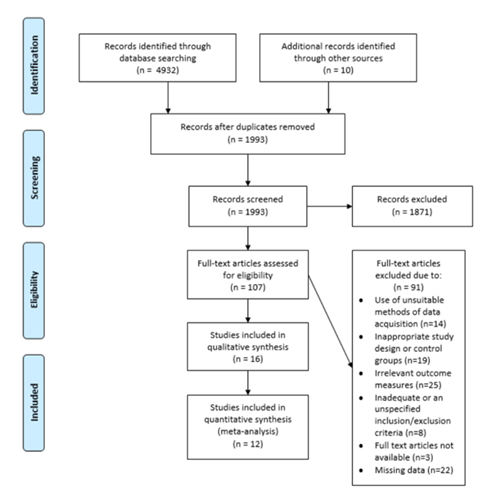
Figure 1 Flow chart of selection of studies. Adapted from Moher et al., 2009.
Study quality
Based on the Downs and Black quality assessment tool as seen in Table 2, eight studies were scored as being of fair quality, whilst the other eight studies were scored as being of good quality. The main difference between the 'fair quality' studies and the 'good quality' studies was the reporting of actual probability values in the results rather than approximate values, which describes item 10. Most of the studies scored poorly in items 5 and 25, since they only partially addressed any confounding variables, such as the presence of peripheral arterial disease (PAD) which might affect gait patterns and alter results in the studies. Moreover, none of the studies clearly stated their source of funding, which describes item 11. Internal and external validity was also compromised since most of the studies did not provide information as to whether participants were representative of the whole population or if they were recruited from the same population, which describes items 12 and 22 respectively. Finally, only one study reported the sample size calculations done and scored positively in the last item.
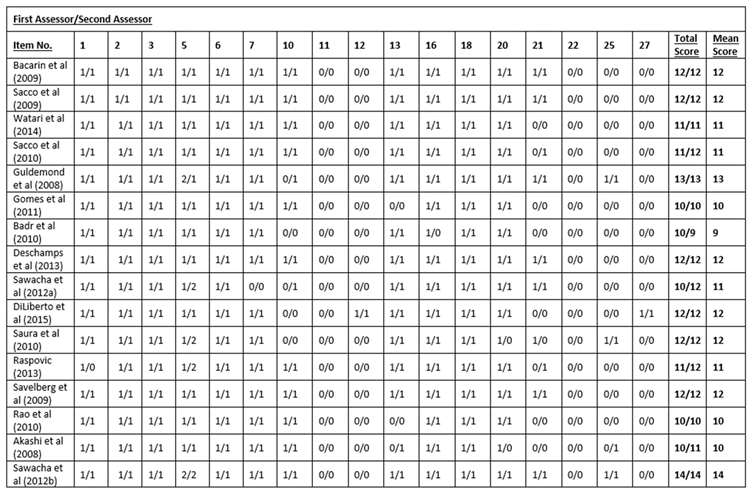
Figure 1 Quality assessment of included studies. Adapted from Downs and Black (1998).
Participant characteristics
Participant information was extracted from each included study as seen in Tables 3 and 4. There was a total of 759 participants from the sixteen included studies, with a mean group size of 18.5 and ranging from 10 to 49 participants. Individuals were characterised as living with DPN, living with type II diabetes or healthy controls. The mean BMI value for individuals living with DPN was 28.4 kg/m2 and ranging from 25.2 to 32.3 kg/m2, whilst the mean age was 59.5 years and ranging from 55 to 68.9 years. Seven studies have not specified the site of recruitment of participants, whilst the rest of the studies recruited all of the groups from the same setting as seen in Table 3. Two studies have not recorded the participants' duration of living with type II diabetes, whilst another three studies have just stated a duration of more than five years living with type II diabetes as an inclusion criteria. The rest of the studies included participants with a mean duration of living with type II diabetes of 15.1 years and ranging from 8.1 to 26.7 years.
|
Study |
Participants (n=) |
Mean Age (years) |
Mean BMI (kg/m2) |
Mean DM duration (years) |
Site of recruitment |
|
Sacco et al31 |
DPN 24; C 20 |
DPN 55.2; C 50.9 |
DPN 27; C 24.3 |
>5 |
Diagnosed by physician (site not specified) |
|
Sawacha et al22 |
DPN 20; DM 20; C 10 |
DPN 61.2; DM 56.53; C 61.2 |
DPN 26.8; DM 26.4; C 24.4 |
DPN 13; DM 23.3 |
Outpatient clinic, Department of Metabolic Disease, University of Padova, Italy |
|
Watari et al34 |
Severe DPN 28; Moderate DPN 16; Mild DPN 30; DM 43; C 30 |
Severe DPN 55.5; Moderate DPN 58.4; Mild DPN 56.1; DM 56.7; C 54.1 |
Severe DPN 28.6; Moderate DPN 29.5; Mild DPN 28.5; DM 28.4; C 25.7 |
Severe DPN 14.4; Moderate DPN 13.7; Mild DPN 12.1; DM 8.1 |
Not specified |
|
Gomes et al24 |
DPN 23; C 23 |
<65 |
Not specified |
>5 |
Not specified |
|
Sawacha et al29 |
DPN 12; C 12 |
DPN 62; C 60.3 |
DPN 25.2; C 24.1 |
DPN 26.7 |
Outpatient clinic, Department of Metabolic Disease, University of Padova, Italy |
|
Deschamps et al28 |
DPN 13; DM 13; C 13 |
DPN 62.6; DM 63; C 57.7 |
DPN 29.8; DM 27.5; C 26.9 |
Not specified |
Multicentre (3 Belgian Foot Clinics) |
|
Nagwa et al23 |
DPN 30; C 30 |
DPN 55; C 53.8 |
DPN 29.8; C 28.1 |
Not specified |
Not specified |
|
Raspovic21 |
DPN with h/o ulceration 10; DPN 10; DM 10; C 10 |
DPN with h/o ulceration 64; DPN 64; DM 59; C 63 |
DPN with h/o ulceration 29.4; DPN 32.3; DM 31.4; C 27.3 |
DPN with h/o ulceration 16; DPN 12.9; DM 8.3 |
Flyers placed around a university health sciences clinic; advertising in a local diabetes group newsletter |
|
DiLiberto et al27 |
DPN 15; C 15 |
DPN 57.4; C 55.7 |
DPN 30.9; C 31.9 |
DPN 19.6 |
Not specified |
|
Saura et al25 |
DPN 16; DM 10; C 10 |
DPN 63; DM 63; C 62 |
DPN 28.8; DM 27.7; C 27.4 |
DPN 12.1; DM 12 |
Foot and Ankle Group Outpatient Sector Clinical Management, Hospital das Clínicas, Faculdade de Medicina da Universidade de São Paulo |
|
Savelberg et al32 |
DPN 8; DM 10; C 10 |
DPN 68.9; DM 60.5; C 72.4 |
DPN 28; DM 29.2; C 24.7 |
DPN 19; DM 10.2 |
Outpatient clinic, Maastricht University Medical Centre |
|
Rao et al30 |
DPN 15; C 15 |
DPN 58; C 56 |
DPN 28.9; C 24.4 |
DPN 19 |
Not specified |
|
Bacarin et al8 |
DPN with h/o ulceration 10; DPN 17; C 20 |
DPN with h/o ulceration 58.2; DPN 54.7; C 48.7 |
DPN with h/o ulceration 27; DPN 26.1; C 24.3 |
DPN with h/o ulceration 17.5; DPN 13.4 |
The National Association for Assistance to Diabetics |
|
Akashi et al33 |
DPN with h/o ulceration 10; DPN 19; C 16 |
DPN with h/o ulceration 53.8; DPN 57.6; C 51.1 |
DPN with h/o ulceration 27.8; DPN 26.6; C 23.9 |
DPN with h/o ulceration 16.4; DPN 12.6 |
Not specified |
|
Guldemond et al20 |
DPN 44; C 49 |
DPN 61.85; C 53.6 |
DPN 30.4; C 28.6 |
|
Outpatient clinic, University Hospital Maastricht |
|
Sacco et al26 |
31 (dividing of participants into DPN and C not specified) |
DPN 57; C 46 |
DPN 28.2; C 25.3 |
>5 |
The Brazilian Association for Assistance to Diabetics |
Table 3 Characteristics of participants in included studies (DPN= diabetic peripheral neuropathy group; DM=diabetes mellitus group; C=control group)
|
Study |
Mode of DPN diagnosis |
Exclusion criteria |
|
Sacco et al31 |
10-g monofilament; MNSI-q (score of >6) |
<5 years diagnosed with DM; >65 years of age; lower limb amputation; orthopaedic lower limb disorders; pain during data collection; walk aided; active ulceration |
|
Sawacha et al22 |
Patellar reflexes; ankle reflexes; muscle strength; pinprick; 10-g monofilament; tuning fork; biothesiometer; pain sensitivity; nerve conduction studies; MNSI-q (pathological if score of ≥3) |
Walk aided; history of ulceration; neurological disorders (apart from DPN); orthopaedic problems; lower limb surgery |
|
Watari et al34 |
tuning fork; 10-g monofilament; MNSI-q (score not specified) |
>65 years of age; amputation; neurological conditions (apart from DPN); orthopaedic impairments; major vascular complications; active ulceration; severe retinopathy; severe nephropathy causing oedema or requiring haemodyalisis; walk aided and with pain |
|
Gomes et al24 |
MNSI-f (score of >4); MNSI-q (score of >3) |
>65 years of age; amputation; Charcot arthropathy; other major orthopaedic foot alteration; neurological disorders (apart from DPN); retinopathy; nephropathy; active ulceration; walk aided |
|
Sawacha et al29 |
MNSI-q (score of ≥3); patellar reflexes; ankle reflexes; muscle strength; pinprick; 10-g monofilament; tuning fork; biothesiometer; pain sensitivity; nerve conduction studies |
Walk aided; history of ulceration; neurological disorders (apart from DPN); orthopaedic problems; lower limb surgery; cardiovascular disease |
|
Deschamps et al28 |
Not specified |
Walk aided; active ulceration; amputation; history of orthopaedic lower limb surgery; Charcot´s neuroarthropathy |
|
Nagwa et al23 |
Clinical examinations (not specified); nerve conduction studies |
Uncontrolled DM; walk aided with pain; active ulceration; Charcot´s neuroarthropathy; orthopaedic or surgical problems influencing gait parameters; neuropathy (apart from DPN); non DM related vestibular or visual disorder |
|
Raspovic21 |
Biothesiometer; Neuropathy Deficit Score |
Orthopaedic problems; visual problems; neurological problems (apart from DPN); painful gait; recent injury; active ulceration; amputation (apart from a toe) |
|
DiLiberto et al27 |
10-g monofilament; pinprick; tuning fork |
Rigid foot deformity; active ulceration; foot or ankle pathology; foot or ankle surgery |
|
Saura et al25 |
10-g monofilament; tuning fork |
PAD; Charcot neuroarthropathy; walk aided |
|
Savelberg et al32 |
Sensory testing; tendon reflexes; muscle strength |
Walk aided and with pain; uncontrolled DM; foot deformities; active ulceration; amputation; severely restricted range of motion (ROM) of joints; cardiopulmonary disease; neuromuscular disease (except DPN) |
|
Rao et al30 |
10-g monofilament; biothesiometer |
Active ulceration; hallux or transmetatarsal amputation; Charcot neuroarthropathy |
|
Bacarin et al8 |
10-g monofilament; MNSI-q (score of >6) |
Active ulceration; >65 years of age; amputation; major foot shape alterations; orthopaedic disorders; walk aided with pain; Charcot arthropathy |
|
Akashi et al31 |
10-g monofilament; MNSI-q (score of ≥6) |
<5 years diagnosed with DM; ulcer present before 2 years at the time of experiment in the DPN with h/o ulceration group; >65 years of age; amputation; Charcot arthropathy; other orthopaedic foot alterations; neuropathy (apart from DPN); alcohol abuse; active ulceration; walk aided with pain |
|
Guldemond et al20 |
Biothesiometer |
T1DM for at least 10 years; T2DM for at least 1 year; aged 30-75; walk unaided; no history of RA; severe foot trauma; severe deformity which require specialised footwear or surgery |
|
Sacco et al26 |
10-g monofilament; MNSI-q (score of >6) |
<5 years diagnosed with DM; >65 years of age; amputation; orthopaedic lower limb disorders; pain during data acquisition; walk aided; Charcot arthropathy; other major orthopaedic foot alterations; active ulceration |
Table 4 Other characteristics of participants in included studies
Table 4 shows that the most common mode of diagnosing DPN was by using the 10-g monofilament (n=10), followed by the use of the Michigan Neuropathy Screening Instrument questionnaire (MNSI-q) (n=8 studies). Other methods were tendon reflexes (n=3), muscle strength (n=3), pinprick (n=3), 128 Hz tuning fork (n=5), biothesiometer (n=5), nerve conduction studies (n=3) and the Neuropathy Deficit Score (n=1). Finally one study did not specify the mode of diagnosing DPN when recruiting participants. As seen in Table 4, all studies have recruited only participants who walk unaided and without any pain, so as not to influence gait during acquisition of data. Most studies have also excluded individuals having active or a history of lower limb ulceration (n=13), orthopaedic problems (n=11), a history of lower limb amputation (n=10), Charcot neuroarthropathy (n=8) and having other neurological disorders other than DPN (n=8). Only four studies have excluded the presence of cardiovascular disease when recruiting participants, whilst only one study has performed an ankle-brachial pressure index (ABPI) and a toe-brachial pressure index (TBPI) to exclude PAD.20
Spatiotemporal parameters
Three out of the sixteen included studies have assessed the effect of DPN on spatiotemporal parameters during gait as seen in Table 5.21–23 Stride length and gait velocity were analysed in all of the three studies as discussed below in the following two sections. Other parameters assessed included % stance, % swing and stride time in the studies by Sawacha et al22 and Nagwa et al,23 where a significant difference was found between participants living with DPN and the healthy control group. Moreover, Raspovic21 and Nagwa et al23 found a significant decrease in cadence when comparing the DPN group to healthy controls.
|
Study |
Group |
Sample size |
% Stance |
% Swing |
Stride time (s) |
Stride length (m) |
Gait velocity (m/s) |
Single support (s) |
Cadence (step/min) |
|
Sawacha et al22
|
DPN |
20 |
61.07 (±3.14) |
38.9 (±3.14) |
1.14 (±0.137) |
1.24 (±0.19) |
1.11 (±0.21) |
NR |
NR |
|
DM |
20 |
59.7 (±2.20) |
40.3 (±2.20) |
1.07 (±0.104) |
1.33 (±0.2) |
1.23 (±0.21) |
NR |
NR |
|
|
Control |
10 |
59.4 (±2.32) |
40.5 (±2.32) |
1.07 (±0.085) |
1.207 (±0.11) |
1.12 (±0.184) |
NR |
NR |
|
|
Nagwa et al23 |
DPN |
30 |
68.967 (±3.2) |
NR |
1.387 (±0.12) |
1.016 (±0.073) |
0.83 (±0.122) |
NR |
88.5 (±4.493) |
|
Control |
30 |
63.567 (±2.285) |
NR |
1.222 (±0.142) |
1.29 (±0.1) |
1.106 (±0.137) |
NR |
104.6 (±6.355) |
|
|
Raspovic21
|
DPN with h/o ulcer |
10 |
NR |
NR |
NR |
1.2(±0.2) |
1.1 (±0.2) |
0.4 (±0.1) |
111.6 (±6.3) |
|
DPN w/o h/o ulcer |
10 |
NR |
NR |
NR |
1.3 (±0.1) |
1.2 (±0.1) |
0.4 (±0.0) |
114.9 (±10.5) |
|
|
DM |
10 |
NR |
NR |
NR |
1.4 (±0.1) |
1.4 (±0.2) |
0.4 (±0.0) |
116.6 (±10.3) |
|
|
Control |
10 |
NR |
NR |
NR |
1.3 (±0.1) |
1.3 (±0.1) |
0.4 (±0.0) |
118.7 (±6.3) |
Table 5 Spatiotemporal parameters (mean ±standard deviation) (NR = Not Reported)
Gait velocity
Gait velocity was assessed in three out of the sixteen included studies in this review.21–23 Raspovic21 and Sawacha et al22 have compared DPN participants to both Type II diabetes participants and healthy controls, however, Nagwa et al23 has only compared DPN participants to healthy controls. All three studies have reported a lower gait velocity in DPN participants when compared to the control group. Moreover, this was also the case when compared to individuals living with diabetes. For the purpose of this review, in order to be comparable with the other two studies, in the study by Raspovic,21 participants living with DPN and a history of ulceration, were not included for analysis. However, even though the DPN group had slower walking speeds, Sawacha et al22 has not found a statistical significant difference between the three groups of participants. Figure 2 illustrates the meta-analysis results comparing the DPN groups to controls in the three studies (DPN n = 60, Control n = 50) which had shown a mean risk ratio of -0.14 with a confidence interval of -0.29 to 0.02 as observed by the black symbol on the forest plot, indicating that there was an 86% chance for gait velocity to be lower in participants living with DPN. The range in the confidence interval included a risk ratio of 0, meaning that the mean risk ratio can favour the control group. Moreover, the Z-value for testing the null hypothesis was 1.73, with a corresponding p-value of 0.08. We can accept the null hypothesis that there was no difference in gait velocity between the two groups. There was a high heterogeneity between the studies with an I2 statistic of 88%. The high heterogeneity could be attributed to the results in the study by Nagwa et al,23 where the highest significant difference in gait velocity was recorded, since I2 decreased to 6% when eliminating this study from the meta-analysis.
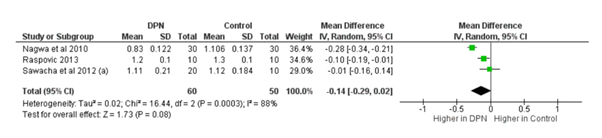
Figure 2 Gait velocity in DPN vs control groups.
Stride length
Stride length was also assessed by the three studies mentioned previously. A significant decrease in length was only observed in Nagwa et al23 when comparing participants living with DPN to healthy controls. Raspovic21 and Sawacha et al22 had similar results, with stride length being least in the control group, followed by the DPN group and highest in the diabetes group. However no significant difference was found between the three groups. A similar pattern in meta-analysis results was observed between the three studies as seen in Figure 3, where the study by Nagwa et al23 increased the heterogeneity by 90%. The mean risk ratio was -0.08 with a confidence interval of -0.30 to 0.13, thus a mean risk ratio favouring the DPN group is possible. A Z-value of 0.75 and a p-value of 0.45 indicated that the null hypothesis was accepted and there is no significant difference in stride length between the two groups.
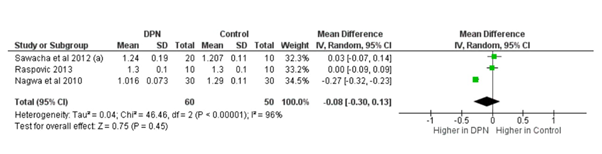
Figure 3 Stride length in DPN vs control groups.
Lower limb joint kinematics
Hip joint kinematics
Only two studies out of the sixteen included studies assessed hip joint kinematics during gait analysis, thus meta-analysis was not possible for these results.21,24 Both studies produced conflicting results, as seen in Table 6, where, according to Raspovic,21 there was no significant difference in hip transverse range of motion between the DPN group and control group. On the contrary, Gomes et al24 stated that the DPN group exhibited significantly higher ranges of motion in the hip (p < 0.001) when compared to healthy controls.
|
Study |
Group |
Hip transverse ROM (°) |
Knee sagittal ROM (°) |
Ankle sagittal ROM (°) |
|
Raspovic21 |
DPN with h/o ulcer |
14.7 (±4.0) |
26.9 (±4.3) |
20.2 (±4.0) |
|
DPN w/o h/o ulcer |
21.4 (±6.0) |
25.5 (±6.1) |
23.6 (±2.7) |
|
|
DM |
22.2 (±5.46) |
32.2 (±5.6) |
26.6 (±6.6) |
|
|
Control |
21.4 (±6.15) |
30.7 (±4.7) |
25.7 (±4.0) |
|
|
Saura et al31 |
DPN |
NR |
NR |
20.24 (±4.08) |
|
DM |
NR |
NR |
20.92 (±3.56) |
|
|
Control |
NR |
NR |
29.01 (±3.29) |
|
|
Nagwa et al23 |
DPN |
NR |
44.4 (±6.061) |
22.2 (±3.0) |
|
Control |
NR |
49.967 (±3.746) |
28.733 (±2.463) |
|
|
Gomes et al24 |
DPN |
NR |
25.22 (±4.21) |
17.74 (±2.65) |
|
Control |
NR |
28.66(±3.32) |
17.13 (±2.54) |
Table 6 Lower limb joint kinematics (mean ±standard deviation) (NR = Not Reported)
Knee joint kinematics
Three studies have analysed the effect of DPN on knee joint kinematics during gait.21,23,24 All three studies have concluded that there is significantly lower sagittal knee joint ROM during gait in the presence of DPN. According to Raspovic, there is also a significant decrease in knee joint ROM in the DPN group when compared to the diabetes group. As observed by the black symbol on the forest plot in Figure 4, the mean risk ratio (-4.44) favoured the DPN group, and had a confidence interval of -6.01 to -2.87, that is, there is a high possibility that knee joint sagittal ROM will be lower in the DPN group. Heterogeneity in this meta-analysis was low, where I2 was 0 and consequently, T2 was also 0. A Z-value of 5.54 with a corresponding p-value of less than 0.00001, indicated that the null hypothesis was rejected and there was a significant difference in knee joint kinematics during gait between the two groups.
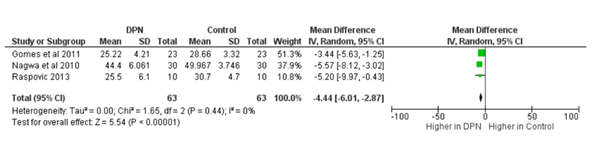
Figure 4 Knee sagittal ROM in DPN vs control groups.
Ankle joint kinematics
Five out of the sixteen studies have analysed the effect of DPN on ankle sagittal ROM.21,23–26 However, Sacco et al26 has used an electrogoniometer for ankle joint measurement as opposed to using a 3D gait analysis system and thus was not included in the qualitative and quantitative analysis in this systematic review. All of the studies, except the study by Gomes et al,24 have exhibited significantly lower ankle joint ROM in the DPN groups when compared to healthy controls. Gomes et al24 stated that there was no significant difference in ankle joint ROM results between the two groups (p = 0.401). Raspovic and Saura et al25 have also analysed the effect of DPN on ankle joint kinematics when compared to participants living with diabetes only. Unlike Raspovic, Saura et al25 stated that there was no significant difference in ankle joint ROM between the two groups, thus concluding that the presence of peripheral neuropathy did not influence the ankle joint during gait. The meta-analysis results, as seen in Figure 5, show that the mean risk ratio of the four studies was of -4.16 with a confidence interval of -8.60 and 0.28 indicating that ankle joint ROM results can be shifted to either side of the forest plot. A Z-value of 1.83 with a corresponding p-value of 0.07 have shown that the null hypothesis was accepted and there was no significant difference in ankle joint kinematics between the two groups collectively across all studies. However, the heterogeneity in these studies was high with an I2 of 95% and a high T2 of 19.21.
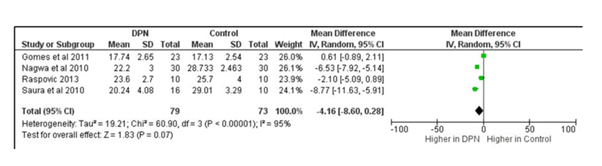
Figure 5 Ankle sagittal ROM in DPN vs control groups.
Foot joint kinematics
Five studies have recorded foot joint kinematics, where the foot was divided into segments.21,27–30 However, none of the studies followed the same model for marker placement, thus comparison of results in this review could only be done in the first MTPJ and rearfoot (Sha-Cal, where markers were placed on the tibia and calcaneal regions), as seen in Table 7.
|
Study |
Group |
Sample size |
1st MTPJ ROM (°) |
Sha-Cal ROM (°) |
|
Sawacha29 |
DPN |
12 |
NR |
11.98 |
|
Control |
12 |
NR |
37.98 |
|
|
DiLiberto et al27 |
DPN |
15 |
6.8 (2.7) |
12.1 (3.3) |
|
Control |
15 |
10.8 (2.3) |
15.7 (3.0) |
|
|
Deschamps et al28 |
DPN |
13 |
35.2 (9.6) |
16.0 (2.6) |
|
DM |
13 |
37.4 (4.6) |
19.3 (3.2) |
|
|
Control |
13 |
39.1 (6.3) |
20.4 (4.1) |
|
|
Raspovic21 |
DPN with h/o ulcer |
10 |
8.0 (2.0) |
NR |
|
DPN with no h/o ulcer |
10 |
10.8 (3.1) |
NR |
|
|
DM |
10 |
13.0 (4.4) |
NR |
|
|
Control |
10 |
11.8 (3.4) |
NR |
|
|
Rao et al30 |
DPN |
15 |
13.0 (2.5) |
12.7 (4.3) |
|
Control |
15 |
14.7 (3.3) |
19.6 (4.4) |
Table 7 Foot joint kinematics (mean ±standard deviation) (NR = Not Reported)
First MTPJ kinematics
Four out of the sixteen included studies in this review have measured first MTPJ kinematics during gait between participants living with DPN and healthy controls.21,27–30 Deschamps et al28 and Rao et al30 concluded that there was no significant difference in 1st MTPJ ROM between the two groups. Rao et al30 reported a p-value of 0.270, whilst Deschamps et al28 did not report an actual p-value. Conversely, DiLiberto et al27 and Raspovic21 reported significant p-values of <0.00 and 0.01 respectively. Figure 6 illustrates that the mean risk ratio was -2.75 and the confidence interval ranged between -4.15 and -1.00, showing that the mean risk ratio favours the DPN group in the forest plot. The Z-value was 3.21 with a corresponding p-value of 0.001, thus there was a significant difference in first MTPJ ROM between the two groups. Heterogeneity between the studies was moderately low with an I2 of 32% and T2 of 0.81.
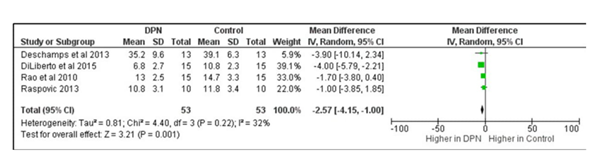
Figure 6 First MTPJ ROM in DPN vs control groups.
Sha-Cal kinematics
Four studies have analysed the effect of DPN on rearfoot kinematics.27–30 Sawacha et al29 did not record the standard deviations and thus results could not be included in the meta-analysis. All of the studies concluded that there is are statistically significant lower kinematics in the rearfoot in the DPN group when compared to healthy controls. Figure 7 shows the meta-analysis rearfoot kinematics results between the three studies. A mean risk ratio of -4.75 with a confidence interval of -6.58 and -2.92, indicates that there is a high possibility that rearfoot kinematics will be lower in individuals living with DPN during gait. The Z-value was of 5.09 with a p-value of < 0.00001 and thus there is a significant difference between the DPN and control groups. A moderately low heterogeneity of 29% was present between the three studies, where T2 was 0.75.
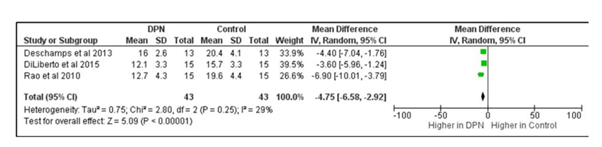
Figure 7 Sha-Cal ROM in DPN vs control groups.
Lower limb and foot joint kinetics
Seven studies have evaluated the effect of DPN on joint kinetics during gait, as seen in Table 8 and Table 9.21,25,29–33 Raspovic21 and Savelberg et al32 measured hip, knee and ankle joint moments, where no significant difference was found between the DPN group and healthy controls. However, Rao et al observed significantly lower ankle joint torque and power in the DPN group (p = 0.03). Figure 8 represents the meta-analysis performed on maximum ankle joint moments across the three studies. The mean risk ratio was of -0.08 with a confidence interval of -0.21 and 0.04, which confirms that, even though conflicting results were present, the mean risk ratio was close to the baseline with a very narrow confidence interval range between studies. In fact, there was quite low heterogeneity with an I2 statistic of 15% and T2 of 0. Moreover, the Z-value was 1.29 with a corresponding p-value of 0.20, thus the null hypothesis was accepted and there was no significant difference in ankle joint moments between the DPN and control groups across the three studies. As seen in Table 9, several studies have analysed the effect of DPN on GRFs compared to healthy controls namely; the first vertical peak and the second vertical peak.21,25,29,31,33 All studies, have concluded that no significant difference in the first vertical peak was found between the two groups, whilst the second vertical peak was reduced significantly in the DPN group. Conversely, Saura et al stated that there was a significant increase in the first vertical peak and a significant decrease in the second vertical peak in the DPN group. The meta-analysis results of the first vertical GRF peak are illustrated in Figure 9. However, Sacco et al31 and Akashi et al33 have normalised their results according to the body weight, thus these studies could not be included in the meta-analysis. The mean risk ratio was of 4.94 with a confidence interval of -2.75 to 12.62. As discussed previously, the green symbol representing results by Saura et al25 deviated significantly from the baseline, unlike the other two studies. Moreover, the Z-value was of 1.26 with a corresponding p-value of <0.00001. As can be clearly observed on the forest plot, the heterogeneity between these studies was high with an I2 of 93%. In fact, when excluding results from Saura et al25 from the meta-analysis, the confidence interval was of -0.66 to 3.75, whilst I2 decreased to 0%. Sawacha et al29 did not analyse the second vertical GRF peak between the two groups and thus meta-analysis could not be performed, since only two included studies in this review where eligible for the analysis.
|
|
Savelberg et al (2009) |
Raspovic (2013) |
Rao et al (2010) |
|||||||
|
|
DPN |
DM |
Control |
DPN with h/o ulcer |
DPN w/o h/o ulcer |
DM |
Control |
DPN |
Control |
|
|
Max ankle plantarflexion moment (Nm/kg) |
1.64(±0.26) |
1.51(±0.21) |
1.59(±0.17) |
NR |
NR |
NR |
NR |
1.27(±0.17) |
1.40(±0.17) |
|
|
Max knee extension moment (Nm/kg) |
0.23(±0.30) |
0.42(±0.22) |
0.45(±0.36) |
NR |
NR |
NR |
NR |
NR |
NR |
|
|
Max knee flexion moment (Nm/kg) |
0.29(±0.21) |
0.16(±0.11) |
0.28(±0.27) |
NR |
NR |
NR |
NR |
NR |
NR |
|
|
Max hip extension moment (Nm/kg) |
1.08(±0.39) |
1.09(±0.25) |
0.85(±0.40) |
NR |
NR |
NR |
NR |
NR |
NR |
|
|
Max hip flexion moment (Nm/kg) |
0.75(±0.36) |
0.55(±0.26) |
0.70(±0.12) |
NR |
NR |
NR |
NR |
NR |
NR |
|
|
Hip max power (mW) |
NR |
NR |
NR |
1124.6(±530.8) |
1329.2(±324.1) |
1624.7(±803.8) |
1334.3(±610.1) |
NR |
NR |
|
|
Knee max power (mW) |
NR |
NR |
NR |
766.7(±188.8) |
964.6(±282.9) |
823.0(±240.0) |
1039.7(±438.6) |
NR |
NR |
|
|
Ankle max power (mW) |
NR |
NR |
NR |
2370.7(±567.1) |
2586.6(±567.6) |
2984.3(±728.9) |
2986.9(±564.1) |
NR |
NR |
|
|
Hip max moment (Nmm) |
NR |
NR |
NR |
1131.9(±480.5) |
1171.2(±310.2) |
1311.6(±679.5) |
1319.4(±577.0) |
NR |
NR |
|
|
Knee max moment (Nmm) |
NR |
NR |
NR |
303.9(±165.6) |
312.7(±161.5) |
421.6(±178.7) |
337.3(±105.8) |
NR |
NR |
|
|
Ankle max moment (Nmm) |
NR |
NR |
NR |
1279.7(±173.9) |
1388.7(±256.8) |
1358.0(±108.0) |
1382.0(±118.2) |
NR |
NR |
|
Table 8 Lower limb joint kinetics (mean ±standard deviation) (NR=Not Reported)
|
Study |
Group |
Sample size |
Vertical GRF initial contact (N/kg) |
Vertical GRF toe-off (N/kg) |
Vertical GRF initial contact (normalised to BW) |
Vertical GRF toe-off (normalised to BW) |
|
Akashi et al33 |
DPN with h/o ulcer |
10 |
NR |
NR |
1.05 (±0.06) |
1.02 (±0.06) |
|
DPN w/o h/o ulcer |
19 |
NR |
NR |
1.07 (±0.07) |
1.05 (±0.06) |
|
|
Control |
16 |
NR |
NR |
1.05 (±0.09) |
1.09 (±0.07) |
|
|
Raspovic21 |
DPN with h/o ulcer |
10 |
106 (±7.0) |
99 (±4.0) |
NR |
NR |
|
DPN w/o h/o ulcer |
10 |
106 (±7.0) |
103 (±8.0) |
NR |
NR |
|
|
DM |
10 |
114 (±15.0) |
107 (±6.0) |
NR |
NR |
|
|
Control |
10 |
106 (±5.0) |
106 (±5.0) |
NR |
NR |
|
|
Saura et al25 |
DPN |
16 |
103.88 (±4.82) |
106.38 (±8.83) |
NR |
NR |
|
DM |
10 |
91.8 (±8.45) |
93.63 (±6.85) |
NR |
NR |
|
|
Control |
10 |
91.2 (±4.42) |
93.82 (±5.26) |
NR |
NR |
|
|
Sacco et al31 |
DPN |
24 |
NR |
NR |
1.08 (±0.06) |
1.04 (±0.07) |
|
Control |
20 |
NR |
NR |
1.04 (±0.09) |
1.09 (±0.07) |
|
|
Sawacha29 |
DPN |
12 |
82.50 (±2.87) |
NR |
NR |
NR |
|
Control |
12 |
80.64 (±3.17) |
NR |
NR |
NR |
Table 9 Vertical ground reaction forces (mean ±standard deviation) (NR = Not Reported)
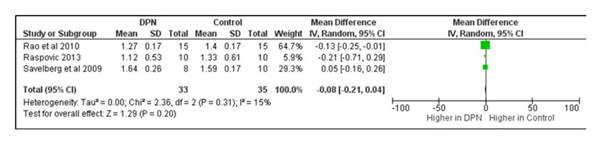
Figure 8 Ankle joint moments in DPN vs control groups.
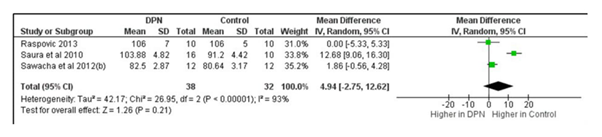
Figure 9 First vertical GRF peak in DPN vs control groups.
Electromyography
Five studies have analysed the effect of DPN on muscle activity during gait using electromyography.22,24,31,33,34 The most commonly assessed muscles by these studies were vastus lateralis, tibialis anterior and lateral head of gastrocnemius, as seen in Table 10, where the time of peak occurrence was mostly recorded and thus meta-analysis could be performed.
|
Study |
Group |
Sample size |
Vastus lateralis peak time (% support) |
Vastus lateralis (mV) |
Tibialis anterior peak time (% support) |
Tibialis anterior (mV) |
Gastrocnemius lateralis peak time (% support) |
Gastrocnemius lateralis (mV) |
|
Sawacha et al29 |
DPN |
20 |
NR |
NR |
11.71 (±1.13) |
2.40 (±0.11) |
38.1 (±1.66) |
3.12 (±0.12) |
|
DM |
20 |
NR |
NR |
6.96 (±1.10) |
2.38 (±0.109) |
35.9 (±1.38) |
3.39 (±0.10) |
|
|
Control |
10 |
NR |
NR |
9.27 (±1.63) |
2.231 (±0.16) |
41.60 (±2.29) |
3.05 (±0.16) |
|
|
Akashi et al33 |
DPN with h/o ulcer |
10 |
14.83 (±3.53) |
2.48 (±0.47) |
4.64 (±1.59) |
2.78 (±0.62) |
68.00 (±4.78) |
2.42 (±0.44) |
|
DPN w/o h/o ulcer |
19 |
11.97 (±2.31) |
2.61 (±0.60) |
6.10 (±1.68) |
3.04 (±0.67) |
62.84 (±5.06) |
2.60 (±0.51) |
|
|
Control |
16 |
10.82 (±3.33) |
2.49 (±0.70) |
6.05 (±2.15) |
2.85 (±0.73) |
63.53 (±3.65) |
2.72 (±0.49) |
|
|
Sacco et al31 |
DPN |
24 |
14.14 (±2.35) |
NR |
5.61 (±2.39) |
NR |
65.29 (±5.35) |
NR |
|
Control |
20 |
10.76 (±2.81) |
NR |
5.46 (±2.36) |
NR |
64.17 (±3.92) |
NR |
|
|
Watari et al34 |
Severe DPN |
28 |
13.5 (±3.6) |
17.1 (±15.6) |
3.3 (±2.6) |
NR |
NR |
NR |
|
Moderate DPN |
16 |
9.7 (±2.5) |
6.8 (±3.1) |
2.2 (±2.0) |
NR |
NR |
NR |
|
|
Mild DPN |
30 |
11.0 (±3.3) |
13.6 (±10.0) |
3.6 (±2.1) |
NR |
NR |
NR |
|
|
DM |
43 |
12.1 (±2.3) |
11.0 (±6.5) |
4.2 (±2.4) |
NR |
NR |
NR |
|
|
Control |
30 |
9.7 (±3.2) |
8.3 (±4.0) |
3.7 (±2.0) |
NR |
NR |
NR |
|
|
Gomes et al24 |
DPN |
23 |
10.37 (±3.18) |
NR |
3.42 (±1.73) |
NR |
NR |
NR |
|
Control |
23 |
9.02 (±3.90) |
NR |
4.33 (±1.80) |
NR |
NR |
NR |
Table 10 Electromyography (mean ±standard deviation) (NR = Not Reported)
Vastus lateralis
Conflicting results on vastus lateralis activity during gait were present. According to Gomes et al and Akashi et al there was no significant difference in the time of peak occurrence between the DPN and control groups (p= 0.594 and p= 0.79 respectively). Conversely, results by Watari et al and Sacco et al show that there was a significant increase in the DPN group (p< 0.001 and p= 0.002 respectively). Watari et al and Akashi et al have also evaluated the muscle amplitude of vastus lateralis, where they have disagreed on the results produced (p= 0.014 and p= 0.79 respectively). Figure 10 represents the meta-analysis results of studies analysing the time of peak occurrence in vastus lateralis during gait. The mean risk ratio was of 2.52 with a confidence interval of 1.20 to 3.83. The symbols in the forest plot all lie on the right side, showing that the trend is for vastus lateralis to increase in the time of peak occurrence in the DPN group. In fact, the Z-value was of 3.75 with a corresponding p-value of 0.0002. However, there was moderate heterogeneity between the studies with an I2 of 53%, since both Gomes et al and Akashi et al stated that there was no significant difference between the two groups.
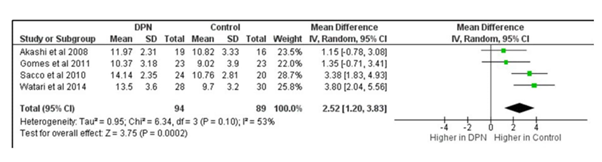
Figure 10 Vastus lateralis time of peak occurrence in DPN vs control gro.
Tibialis anterior
All of the five studies analysing activity of the tibialis anterior muscle during gait have stated that there was no significant difference in the time of peak occurrence in the DPN group when compared to healthy controls.22,24,31,33,34 Moreover, no significant difference was found in the EMG amplitude of the tibialis anterior muscle between the two groups.22,23 However, conflicting results where stated by Watari et al,34 where a significant decrease in magnitude was present. As observed in the forest plot in Figure 11, there is quite a substantial amount of heterogeneity between the studies with an I2 of 81%. The mean risk ratio is 0.27, which shows that the time of peak occurrence in the tibialis anterior muscle during gait tends to increase slightly in the presence of DPN. The confidence interval for the risk ratio is -0.95 to 1.49 and thus the time of peak occurrence can fall in either side of the forest plot. The Z-value for testing the null hypothesis is 0.43, with a corresponding p-value of 0.67, thus the null hypothesis that there is no significant difference between the two groups is accepted.
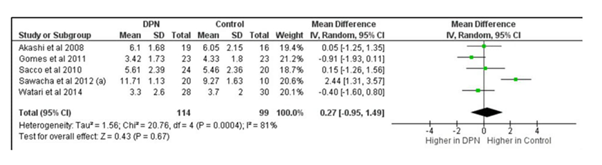
Figure 11 Tibialis anterior time of peak occurrence in DPN vs control groups.
Lateral head of gastrocnemius
Three out of the sixteen included studies in this review have evaluated the effect of DPN on muscle activity of the lateral head of the gastrocnemius.22,31,33 According to Sawacha et al29 and Sacco et al,31 there was a significant decrease in the time of peak occurrence of this muscle in the DPN group. However, Akashi et al33 stated that there was no significant difference between the two groups. Moreover, both Sawacha et al29 and Akashi et al33 have concluded that there was no significant difference in muscle amplitude between the DPN and control groups. A meta-analysis of the time of peak occurrence was performed as seen in Figure 12. The mean risk ratio of the three studies was -1.20 with a confidence interval of -4.14 to 1.74, showing the mean risk ratio could fall on either side of the forest plot. The Z-value was 0.80 with a corresponding p-value of 0.42, thus there is no significant difference between the two groups. However, an I2 of 78% was present, thus a relatively high heterogeneity exists between the three studies.
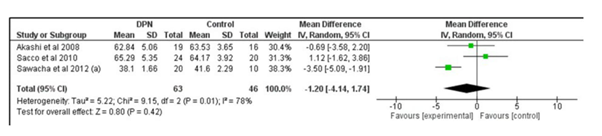
Figure 12 Lateral head of gastrocnemius time of peak occurrence in DPN vs control groups.
Plantar pressures
Peak plantar pressure
Studies evaluating the effect of DPN on peak plantar pressures during gait have focused on the forefoot,20,26,29 the midfoot and the rearfoot,8,20,26 the hallux8,20 and the medial and lateral forefoot regions,8,30 as seen in Table 11. Unfortunately, meta-analyses could not be performed, since the amount of studies evaluating any of these outcome measures was limited. Moreover, the standard deviation could not be acquired from the results in the study by Sawacha et al,29 thus limiting the amount of studies to evaluate in a meta-analysis. Conflicting results on forefoot peak plantar pressures exist, where Sawacha et al29 found no significant difference between the DPN and control groups, whilst Sacco et al31and Guldemond et al20 stated that there was a significant increase in peak pressures (p= 0.012 and p<0.005 respectively). The three studies analysing any differences in midfoot and rearfoot plantar pressures during gait have found a significant increase in pressure in the DPN group.8,26,29 According to Bacarin et al8 and Guldemond et al,20 there was no significant difference in hallux peak plantar pressure between the two groups. Finally, no significant difference was found in both medial and lateral forefoot peak plantar pressure between the groups.8,30
|
Study |
Group |
Sample size |
Hallux peak pressure (kPa) |
Medial forefoot peak pressure (kPa) |
Lateral forefoot peak pressure (kPa) |
Midfoot peak pressure (kPa) |
Rearfoot peak pressure (kPa) |
Forefoot peak pressure (kPa) |
|
Rao et al30 |
DPN |
15 |
NR |
839 (±347) |
621 (±341) |
NR |
NR |
NR |
|
Control |
15 |
NR |
657 (±275) |
582 (±293) |
NR |
NR |
NR |
|
|
Sawacha et al29 |
DPN |
12 |
NR |
NR |
NR |
515.62 |
775.78 |
410.486 |
|
Control |
12 |
NR |
NR |
NR |
312.32 |
427.26 |
584.16 |
|
|
Guldemond et al20 |
DPN |
44 |
405 (±257) |
NR |
NR |
NR |
NR |
689 (±279) |
|
Control |
49 |
455 (±264) |
NR |
NR |
NR |
NR |
551 (±226) |
|
|
Sacco et al26 |
DPN |
24 |
NR |
NR |
NR |
114.0 (±52.2) |
220 (±40.4) |
245.7 (±56.3) |
|
Control |
20 |
NR |
NR |
NR |
75.7 (±31.1) |
196.8 (±27.8) |
218.9 (±35.3) |
|
|
Bacarin et al8 |
DPN with ulcer |
10 |
269.6(±136.7) |
351.6 (±92.5) |
367.2 (±86.2) |
290.7 (±151.5) |
342.3 (±119.1) |
NR |
|
DPN w/o ulcer |
17 |
305.6(±111.7) |
365.4 (±93.7) |
367.7 (±89.2) |
205.3 (±118.6) |
342.1 (±76.9) |
NR |
|
|
Control |
20 |
306.8(±110.7) |
347.5 (±88.4) |
328.8 (±67.5) |
139.4 (±76.4) |
337.4 (±95.9) |
NR |
Table 11 Peak plantar pressure (mean ±standard deviation) (NR = Not Reported)
Pressure-time integral
Three studies included in this review have measured the pressure-time integral during gait in participants living with DPN, where the hallux, medial and lateral forefoot, midfoot, rearfoot and forefoot regions were also analysed, as seen in Table 12.8,26,29 According to Bacarin et al,8 there was no significant difference in hallux PTI between the DPN and control groups. Moreover, the PTI in the medial forefoot, lateral forefoot and midfoot regions were significantly higher in the DPN groups.8,26,30 However, conflicting results were present between the two studies analysing the PTI in the rearfoot region, where according to Sacco et al31 there was no significant difference between the two groups (p= 0.392), unlike Bacarin et al8 where a slight significant increase was found (p= 0.0486). Finally, only one study analysed the forefoot region as a whole, where a significant difference was found between the DPN and control groups (p= 0.001).26
|
Study |
Group |
Sample size |
Hallux PTI (kPa.s) |
Medial forefoot PTI (kPa.s) |
Lateral forefoot PTI (kPa.s) |
Midfoot PTI (kPa.s) |
Rearfoot PTI (kPa.s) |
Forefoot PTI (kPa.s) |
|
Rao et al30 |
DPN |
15 |
NR |
362 (±135) |
269 (±68) |
NR |
NR |
NR |
|
Control |
15 |
NR |
211 (±92) |
195 (±69) |
NR |
NR |
NR |
|
|
Sacco et al26 |
DPN |
24 |
NR |
NR |
NR |
39.1 (±17.3) |
27.4 (±5.5) |
53.4 (±16.0) |
|
Control |
20 |
NR |
NR |
NR |
30.6 (±9.7) |
25.1 (±3.1) |
44.5 (±8.8) |
|
|
Bacarin et al8
|
DPN with h/o ulcer |
10 |
60.0 (±24.2) |
110.0 (±31.7) |
125.9 (±33.4) |
68.7 (±36.5) |
102.5 (±37.9) |
NR |
|
DPN without h/o ulcer |
17 |
74.3 (±26.4) |
110.9 (±26.5) |
119.3 (±31.8) |
43.3 (±9.1) |
94.9 (±29.4) |
NR |
|
|
Control |
20 |
68.2 (±24.5) |
97.9 (±23.2) |
97.7 (±18.4) |
37.3 (±11.4) |
83.3 (21.2) |
NR |
Table 12 Pressure time integral (mean ±standard deviation) (NR = Not Reported)
The majority of plantar foot ulceration is triggered by diabetes associated peripheral neuropathy.1 However, to date, studies have not investigated the underlying pathomechanics of what is causing an increased load resulting in tissue breakdown. By looking at the body as a whole unit, more patient-specific treatment options may be provided to prevent ulceration.6,35,36 Resultantly, the aim of this systematic review was to evaluate the importance of this issue, by analysing any changes in lower limb joint and muscle function and plantar pressure distribution during gait, in individuals living with DPN, which might increase the risk of plantar neuropathic ulceration. Meta-analyses results in this review show that studies have agreed that individuals living with DPN exhibited lower knee, ankle and rearfoot (Sha-Cal) kinematics, higher midfoot and rearfoot peak plantar pressures and higher PTI in the medial forefoot, lateral forefoot and midfoot regions.8,21,23–30 However, high heterogeneity existed between the studies in other outcome measures assessed, which could be attributed to the small sample size in the studies and to the quality of inclusion/exclusion criteria of participants. For example, only Saura et al25 has excluded the presence of lower limb ischaemia when recruiting participants. Literature shows that PAD may result in altered muscle activity and joint kinematics and kinetics, thus it can act as an influential confounding variable to the results in the included studies in this review.37–39 Moreover, different studies used different tools and methods of 3D gait analysis and pressure mapping, which might also reduce repeatability in studies.
An important outcome measure when evaluating the risk of plantar neuropathic ulceration is first MTPJ ROM. Even though results from all studies show that there was a decrease in joint ROM in the DPN groups, only two out of the four studies stated that there was a significant difference from the control groups.21,27–30 Thus more research is required, including a larger sample size, focusing on the mechanism of the first MTPJ and also other foot joint segments during gait, since, to date, there is a paucity of information when it comes to the effect of foot joint kinematics in the presence of DPN. Moreover, conflicting EMG results were present with high heterogeneity between studies.22,24,31,33,34 This inconsistency in results between studies could be attributed to the fluctuations in the number of motor units being fired resulting in changes in action potential amplitudes, even between trials from the same individual.40 It was anticipated that, since plantar neuropathic ulceration is most commonly found on the forefoot region, DPN participants would exhibit higher peak plantar pressures in this region. However, only two out of the three included studies have stated that there was a significant increase in plantar pressure.20,26 Moreover, a significantly higher PTI was found in the forefoot region in the DPN groups.8,30 Further research is required to support this hypothesis and provide consistency and repeatability of results by recruiting a larger sample size and utilising the same tools for measurement of plantar pressures. Moreover, only three studies included in this review have analysed the effect of DPN on PTI during gait. Analysing both peak plantar pressure and PTI should be useful measurements for predicting potential injury to plantar tissues.41 In continuance to this, studies analysing the second vertical GRF peak, that is, during toe-off, have shown that there is a decrease in forces acting on the forefoot.21,25,31 This may be considered as contradictory, knowing that, as previously stated, there tends to be an increase in peak plantar pressures in the forefoot in the presence of DPN. Resultantly, further investigations are required analysing the correlation between GRFs and plantar pressures during gait in the presence of peripheral neuropathy. Further research evaluating the outcome measures tackled in this review is recommended, including a larger sample size of participants whilst excluding PAD in the recruiting process and including also the effect of active ulceration in DPN during gait. These studies were limited to only a small number of participants, clearly demonstrating that the available data is insufficient given the high prevalence of neuropathy in individuals living with type II diabetes. A better focus on the effect of DPN on foot joint kinematics and kinetics may also be beneficial.
None.
The authors declares that there are no conflicts of interest.

©2026 Bartolo, et al. This is an open access article distributed under the terms of the, which permits unrestricted use, distribution, and build upon your work non-commercially.