Journal of
eISSN: 2373-437X


Short Communication Volume 13 Issue 3
Joint Science and Technology Office for Chemical and Biological Defense, Defense Threat Reduction Agency, Fort Belvoir, Virginia, USA
Correspondence: Akbar S Khan, Joint Science and Technology,Office for Chemical and Biological Defense, Defense Threat Reduction Agency, Fort Belvoir, Virginia, USA, Tel (571)371-3225.
Received: October 03, 2025 | Published: October 24, 2025
Citation: Khan AS. Human genome project and its implication on precision medicine of future. J Microbiol Exp. 2025;13(3):105-106. DOI: 10.15406/jmen.2025.13.00440
The Human Genome Project (HGP) completed 25 years ago in 2003 provided the basic foundational map of the human genetic code, created the launching the era of precision medicine. This revolutionary field of healthcare uses an individual's genetic makeup, environment, and lifestyle to tailor prevention, diagnosis, and treatment strategies, moving away from the "one-size-fits-all" approach towards medicine which is the practice for past few decades. This mini-review article making a direct connect and impact of completion of human genome to future medicine.1-3
One of the most significant medical implications of the Human Genome Project is the advent of personalized medicine. With the complete mapping of the human genome, researchers gained insight into the genetic variations/changes responsible for different diseases and drug responses. This information paved the way for targeted medical treatments to individual patients based on their genetic makeup, resulting in more effective therapies with reduced side effects. For instance, in the field of oncology, genetic testing can now guide the selection of targeted therapies, enabling precision medicine approaches that significantly improve patient outcomes and more effective treatment and improved life span of the patients.
Established the genetic blueprint: The HGP, which completed its initial sequencing in 2003, decoded the 3 billion base pairs of human DNA. This provided the "instruction manual" that scientists needed to understand the genetic variations in underlying disease.
Drove technological innovation: The massive scale of the HGP stimulated the development of high-throughput DNA sequencing technologies, making genome sequencing faster, cheaper, and more accessible. This technological evolution continues to drive the field forward, enabling the use of genomic data in routine clinical practice.
Fostered interdisciplinary collaboration: The HGP brought together biologists, engineers, and computer scientists to manage and analyze the vast amounts of genetic data. This collaborative model created a precedent for the multidisciplinary approach that is now central to precision medicine.
Spurred ethical guidelines: The project's unprecedented generation of genetic information sparked critical discussions about ethical, legal, and social issues, including genetic privacy, data security, and discrimination. This led to the development of guidelines that continue to shape the responsible use of genomic data in medicine.
Future precision medicine, built on the HGP's legacy, is evolving beyond simply treating disease to predicting and preventing it altogether. Key areas of focus include:
Targeted therapies
Cancer treatment: Genetic profiling of tumors will become routine, allowing for highly targeted therapies that block specific mutations driving cancer growth. This "molecular fingerprinting" will replace many trial-and-error treatments with individualized care.
Drug development: New gene-based "designer drugs" will be developed for a wide range of conditions, from heart disease and diabetes to mental illness.
Preventive and diagnostic advancements
Earlier disease detection: Non-invasive prenatal testing, made possible by genomics, can detect fetal chromosomal abnormalities from a mother's blood sample, replacing more invasive procedures.
Pharmacogenomics: Genetic testing will become standard practice to predict an individual's response to a particular drug. This will help physicians avoid adverse drug reactions and prescribe the most effective medication at the optimal dose.1
Polygenic risk scores (PRS): Analyzing thousands of genetic markers will provide a more comprehensive risk assessment for complex, common diseases like heart disease and diabetes. This will enable more personalized preventive strategies and lifestyle recommendations.
Convergence with AI: The combination of genomic data with artificial intelligence and machine learning is key to interpreting the vast datasets and identifying patterns for predicting disease and treatment responses.
Multi-omics integration: Precision medicine will evolve to integrate other "omics" data, such as proteomics (protein analysis) and metabolomics (metabolite analysis), to provide a more holistic view of a patient's health.3
Enhanced electronic health records (EHRs): The future will require sophisticated informatics infrastructures that can securely integrate a patient's genomic information with their EHR, making it easily accessible for clinical decision-making.
Despite the progress, significant challenges remain in fully realizing the potential of precision medicine:2
Genomic equity: Historically, genomic research has been based on populations of European descent, meaning that many discoveries do not yet benefit all people equally. Future efforts must ensure genetic diversity is represented in research.
Data challenges: Interpreting and integrating the overwhelming volume of complex genomic data is a major hurdle. This requires advanced bioinformatics expertise and standardized data formats.
Informed consent and privacy: The collection and analysis of personal genomic data raise ongoing concerns about patient privacy, data security, and consent.
Clinical implementation: Widespread adoption of genomics-based medicine into routine healthcare is still limited by a lack of infrastructure, training for clinicians, and clear evidence of cost-effectiveness (Figure 1).
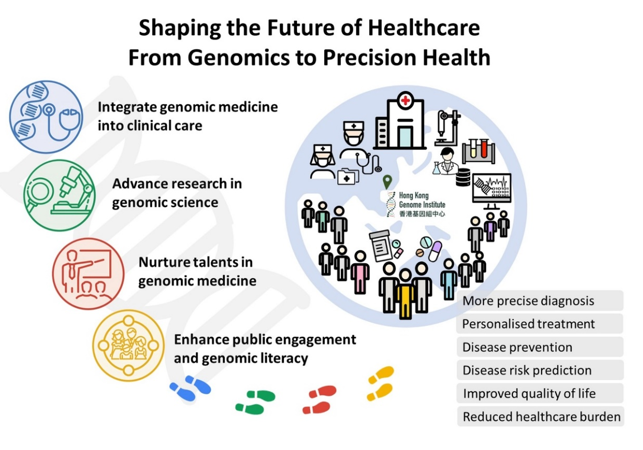
Figure 1 Illustrates impact of genomics science on Personalized Medicine.
As genomic sciences and innovation continues to evolve, emerging technologies and policy developments are set to further transform healthcare. Advances in AI & machine learning, gene-editing technologies, and direct-to-consumer (DTC) genetic testing are expanding the scope of precision medicine, while efforts to improve accessibility and regulatory frameworks aim to make these innovations widely available. Looking ahead, genomics innovations will play an increasing role not only in treating disease but also in early predicting and preventing it, marking a fundamental shift toward proactive healthcare. This mini-review summarizes direct and significant impact of completion of human genome on future of precision medicine advances.
None.
We declare that there is no conflict of interest of any kind.

©2025 Khan. This is an open access article distributed under the terms of the, which permits unrestricted use, distribution, and build upon your work non-commercially.