MOJ
eISSN: 2574-8130


Research Article Volume 11 Issue 1
Department of Education and Specific Didactics, Jaume I University, Spain
Correspondence: Ana Mercedes Vernia Carrasco, Department of Education and Specifics didactics, Jaume I University, Spain
Received: December 26, 2025 | Published: January 19, 2026
Citation: Carrasco AMV. Intergenerational musical activities: implications for cognitive and academic performance and psychosocial well-being. MOJ Gerontol Ger. 2026;11(1):1‒5. DOI: 10.15406/mojgg.2026.11.00350
Intergenerational musical activities have demonstrated remarkable potential for promoting cognitive, academic, and psychosocial well-being throughout the lifespan. Music, especially when practiced actively and synchronously, fosters physiological, cognitive, and emotional regulation processes.1,2 This article aims to analyze, through a systematic literature review, the effects of intergenerational musical activities on children's cognitive and academic performance, as well as on the psychosocial well-being and cognitive functions of older adults. The review's findings suggest that rhythmic synchronization, and in particular the relationship between musical rhythm and heart rate, constitutes a key mechanism for explaining the observed benefits.3,4 It is concluded that intergenerational musical activities represent an effective and sustainable strategy for promoting cognitive, emotional, and social health in educational, community, and social care settings.
Keywords: intergenerational musical activities; cognitive performance; academic performance; psychosocial well-being; rhythmic synchronization.
The interaction between music, cognition, and well-being has been extensively documented in contemporary scientific literature. Music activates complex neurocognitive processes involving perception, emotion, movement, and physiological regulation, directly influencing mental health and cognitive functioning.1,5 Within this framework, intergenerational musical activities are presented as an integrative approach that combines cognitive stimulation, social interaction, and emotional regulation.
Several studies have indicated that active musical participation promotes attention, memory, and emotional self-regulation in childhood, skills closely related to academic performance and school learning.6 Musical practice, especially when it incorporates rhythmic and motor coordination elements, contributes to the development of executive functions that are fundamental for academic success. Similarly, in the older adult population, music is associated with maintaining cognitive function, improving mood, and reducing social isolation.6 Shared musical activities promote the stimulation of autobiographical memory, attention, and processing speed, key aspects for active and healthy aging.
A particularly relevant element in this context is rhythmic synchronization, understood as the ability to coordinate physiological and motor responses with external musical stimuli. Synchronization between heart rate and musical rhythm has been identified as a mechanism that promotes states of physiological and emotional regulation, enhancing the positive effects of shared musical experiences.2,7 In intergenerational activities, this synchronization also acquires a relational dimension, reinforcing social bonds and a sense of belonging among participants.8
The overall objective of this study is to analyze, based on a literature review, the implications of intergenerational musical activities for cognitive performance, academic performance and psychosocial well-being of children and older adults.
Specifically, the following objectives are set:
This work is based on a narrative and analytical literature review, aimed at integrating and synthesizing the existing scientific evidence on intergenerational musical activities and their cognitive, academic, and psychosocial effects. The review was conducted following the updated PRISMA 2020 recommendations to ensure transparency and quality in the literature selection and analysis process.9
Procedure
The literature review was conducted by systematically searching scientific literature in databases specializing in education, psychology, musicology, neuroscience, and health sciences (e.g., Scopus, Web of Science and PubMed). Empirical studies, systematic reviews, and meta-analyses published in indexed journals were included, focusing on:
Peer-reviewed articles
Language: English and Spanish
Approximate period: 2000–2024
Types: empirical studies, systematic reviews, meta-analyses
Referring to Figure 1, searches were conducted in Science and PubMed, initially identifying 346 records. After removing duplicates, 214 studies were assessed by reading their titles and abstracts. Of these, 77 articles were analyzed in full text, excluding those that did not address intergenerational musical activities or did not include relevant cognitive, academic, or psychosocial variables. Finally, 34 studies met the inclusion criteria and were incorporated into the review.
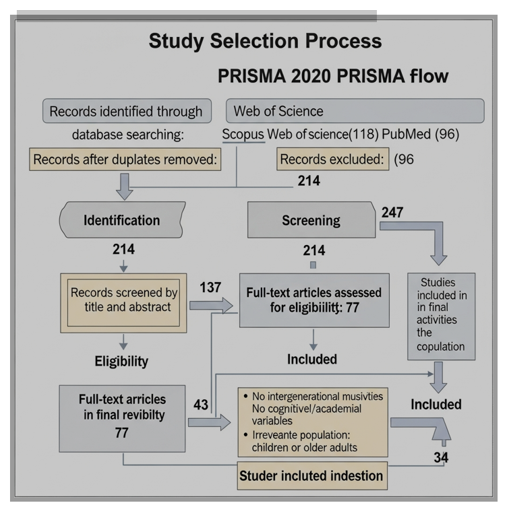
Figure 1 PRISMA diagram of the study selection process of databases.
The literature review shows that intergenerational musical activities generate consistent benefits across multiple dimensions. In childhood, active and synchronized music is associated with improvements in attention, working memory, and emotional regulation—variables closely related to academic performance.10,11 Furthermore, shared musical practice fosters social and communicative skills that positively impact the educational climate.
In older adults, participation in intergenerational musical activities is linked to the maintenance of cognitive functions, memory stimulation, and improved emotional well-being ( Särkämö et al., 2014). Interaction with younger generations also contributes to reducing social isolation and strengthening self-esteem and a sense of social usefulness (Hallam et al., 2014). Rhythmic synchronization, and in particular the relationship between musical rhythm and heart rate, emerges as a transversal mechanism that facilitates physiological and emotional regulation, enhancing the cognitive and social effects of the shared musical experience.3,4
Table 1 presents an overview of the types of studies, populations, musical activities, and main variables examined in the 34 studies reviewed. The research includes experimental, longitudinal, theoretical-empirical, and review designs conducted across various countries. Participants range from children to older adults, engaging in diverse musical activities such as active training, group music education, shared rhythmic music, community music, singing, listening, and rhythmic synchronization. Key variables investigated encompass cognitive and academic performance, attention, memory, executive functions, prosocial behavior, physiological regulation, emotional well-being, social inclusion, and synchronization. This summary reflects the multidisciplinary approaches and broad demographic scope of research into the effects of musical engagement.
|
Author(s) |
Year |
Country |
Type of study |
Population |
Type of musical activity |
Main variables |
|
Schellenberg |
2004 |
Canada |
Experimental |
Children |
Active musical training |
Cognitive and academic performance |
|
Habibi et al. |
2018 |
USA |
Longitudinal |
Children |
Group music education |
Attention, memory, executive functions |
|
Kirschner & Tomasello |
2010 |
Germany |
Experimental |
Children and adults |
Shared rhythmic music |
Prosocial behavior, cooperation |
|
Bernardi et al. |
2006 |
Italy |
Experimental |
Adults |
Music and rhythm |
Physiological regulation, heart rate |
|
Hallam et al. |
2014 |
United Kingdom |
Revision |
Older adults |
Community music |
Emotional well-being, social inclusion |
|
Särkämö et al. |
2014 |
Finland |
Experimental |
Older adults |
Singing and listening to music |
Memory, mood |
|
Clayton et al. |
2020 |
United Kingdom |
Theoretical-empirical |
Multi-age |
Rhythmic synchronization |
Emotional and social regulation |
|
Thaut et al. |
2015 |
USA |
Experimental |
Adults |
Rhythmic training |
Cognition, synchronization |
|
Total |
34 studies |
Table 1 Type of study, population, musical activity and main variables
Table 2 summarizes the general characteristics of the 34 studies included in this review, highlighting diverse research designs, populations, types of musical activities, and key variables examined. The studies span experimental, longitudinal, theoretical-empirical, and review methodologies conducted across various countries. Participants range from children to older adults, engaging in musical activities such as active training, group education, shared rhythmic music, community music, singing, listening, and rhythmic synchronization. The main variables assessed encompass cognitive and academic performance, attention, memory, executive functions, prosocial behavior, physiological regulation, emotional well-being, social inclusion, and synchronization. This comprehensive overview illustrates the multidisciplinary and multi-age scope of research on intergenerational musical activities and their effects.
|
Author(s) |
Year |
Country |
Type of study |
Population |
Type of musical activity |
Main variables |
|
Schellenberg |
2004 |
Canada |
Experimental |
Children |
Active musical training |
Cognitive and academic performance |
|
Habibi et al. |
2018 |
USA |
Longitudinal |
Children |
Group music education |
Attention, memory, executive functions |
|
Kirschner & Tomasello |
2010 |
Germany |
Experimental |
Children and adults |
Shared rhythmic music |
Prosocial behavior, cooperation |
|
Bernardi et al. |
2006 |
Italy |
Experimental |
Adults |
Music and rhythm |
Physiological regulation, heart rate |
|
Hallam et al. |
2014 |
United Kingdom |
Revision |
Older adults |
Community music |
Emotional well-being, social inclusion |
|
Särkämö et al. |
2014 |
Finland |
Experimental |
Older adults |
Singing and listening to music |
Memory, mood |
|
Clayton et al. |
2020 |
United Kingdom |
Theoretical-empirical |
Multi-age |
Rhythmic synchronization |
Emotional and social regulation |
|
Thaut et al. |
2015 |
USA |
Experimental |
Adults |
Rhythmic training |
Cognition, synchronization |
|
Total |
34 studies |
Table 2 General characteristics of the studies included in the review
Table 3 presents a summary of the main benefits associated with participation in intergenerational musical activities identified in the reviewed literature. The results are organized by dimensions of analysis (cognitive, social, emotional, and physiological) and target population, allowing for a structured visualization of the positive effects of shared musical practice throughout the life cycle. The most representative references supporting each finding are also included, facilitating an understanding of the scope and consistency of the available evidence.
|
Dimension |
Population |
Main benefits identified |
References |
|
Cognitive |
Childhood |
Improved attention, working memory, and emotional regulation, with a positive impact on academic performance |
|
|
Social and communicative |
Childhood |
Development of social and communication skills; improvement of the educational climate |
|
|
Cognitive |
Older adults |
Maintenance of cognitive functions and stimulation of memory |
Särkämö et al. |
|
Emotional and social |
Older adults |
Improved emotional well-being, reduced social isolation, and enhanced self-esteem and sense of social usefulness |
Särkämö et al. Hallam et al.6 |
|
Physiological and emotional (transversal mechanism) |
Childhood and older adults |
Physiological and emotional regulation through rhythmic synchronization and the relationship between musical rhythm and heart rate, enhancing cognitive and social effects |
Table 3 Summary of the benefits of intergenerational musical activities.
Table 4 shows the conceptual correlations identified between key variables related to participation in intergenerational musical activities, derived from the qualitative analysis of the studies included in the review. These relationships reflect the direction and estimated intensity of the associations described in the literature, without constituting statistical coefficients per se. The table allows for the identification of cross-cutting patterns among cognitive, emotional, social, and physiological dimensions, as well as the mediating role of rhythmic synchronization in the effects of the shared musical experience.
|
Variable 1 |
Variable 2 |
Direction of correlation |
Estimated intensity* |
Evidence in the literature |
|
Participation in intergenerational musical activities |
Attention (childhood) |
Positive |
Moderate-high |
|
|
Participation in intergenerational musical activities |
Working memory (childhood) |
Positive |
Moderate |
Habibi et al.10 |
|
Participation in intergenerational musical activities |
Emotional regulation (childhood) |
Positive |
Moderate-high |
Schellenberg11 |
|
Shared musical practice |
Social skills (childhood) |
Positive |
High |
Habibi et al.10 |
|
Intergenerational musical participation |
Cognitive functions (older adults) |
Positive |
Moderate |
Särkämö et al. |
|
Intergenerational musical participation |
Emotional well-being (older adults) |
Positive |
High |
Särkämö et al. Hallam et al.6 |
|
Intergenerational interaction |
Social isolation (older adults) |
Negative |
Moderate-high |
Hallam et al.6 |
|
Rhythmic synchronization |
Physiological regulation |
Positive |
High |
Bernardi et al. (2006) |
|
Rhythmic synchronization |
Emotional regulation |
Positive |
Moderate-high |
Clayton et al. (2020) |
|
Physiological regulation |
Cognitive and social benefits |
Positive |
Moderate |
Bernardi et al. (2006); Clayton et al. (2020) |
Table 4 Conceptual correlations between variables associated with intergenerational musical activities
*The estimated intensity refers to the consistency and convergence of the results reported in the reviewed literature, not to statistical coefficients.
The results of this review confirm the multifaceted value of intergenerational musical activities as a comprehensive intervention tool that promotes cognitive, emotional, and social well-being throughout life. Music, as a cultural and neurocognitive phenomenon, simultaneously activates multiple brain networks involved in perception, emotion, movement, and physiological regulation, which explains its capacity to generate significant benefits across different age groups. In particular, music shared between generations fosters not only the development of cognitive and academic skills in childhood but also the preservation of cognitive functions and the improvement of emotional well-being in older adulthood—fundamental aspects for healthy and active aging. A key finding is the central role of rhythmic synchronization as a mediating mechanism for the observed benefits. The coordination between musical rhythm and physiological responses such as heart rate facilitates states of emotional regulation and shared attention, strengthening social connection and a sense of belonging among participants from different generations. This relational dimension adds value to intergenerational musical activities, giving them a unique potential to combat social isolation and promote intergenerational inclusion and cooperation.
Furthermore, the results suggest that active and synchronized music practice contributes to the development of essential executive functions in childhood, such as sustained attention, working memory, and emotional self-regulation—skills that translate into improvements in academic performance and the educational environment. Similarly, in the older adult population, intergenerational musical stimulation enhances autobiographical memory, processing speed, and mood, contributing to the maintenance of autonomy and quality of life.
These findings underscore the importance of designing structured programs that integrate rhythmic and physiological principles tailored to the participants' characteristics, in order to maximize positive effects. They also highlight the need for public policies and educational practices that recognize and promote the value of music as a resource for holistic health and social development in diverse contexts.
Finally, although the evidence is promising, areas for future research have been identified, such as exploring moderating variables (e.g., individual and contextual characteristics), longitudinal impact assessments, and the implementation of music technology-based interventions. These lines of work will allow for a deeper understanding and optimization of intergenerational musical activities as a strategy for well-being and development at a global level.
Intergenerational musical activities represent a comprehensive and effective strategy for promoting cognitive and academic development, as well as psychosocial well-being, throughout the lifespan. The reviewed findings indicate that these practices not only enhance cognitive and academic performance in childhood but also contribute significantly to maintaining cognitive function and emotional well-being in older adulthood. Evidence suggests that rhythmic synchronization, understood as both physiological and motor coordination with musical stimuli, acts as a central mechanism that amplifies these benefits, facilitating emotional regulation, shared attention, and the strengthening of social bonds between generations.
Furthermore, these intergenerational musical activities offer a valuable framework for social inclusion, reducing isolation, and strengthening a sense of belonging and self-esteem—crucial aspects for mental and social health at all ages. Integrating rhythmic and synchronized approaches into educational, community, and social care programs can maximize the positive impact of these interventions, creating environments that foster intergenerational collaboration and mutual support.
Finally, given the growing evidence of the multiple cognitive, emotional, and social benefits, it is recommended that intergenerational musical activities be promoted and continuously evaluated in diverse communities and contexts. Further research is also needed to explore mediating and moderating variables, as well as to design specific interventions tailored to the characteristics and needs of different age groups.
None.
The authors declare that there are no conflicts of interest.

©2026 Carrasco. This is an open access article distributed under the terms of the, which permits unrestricted use, distribution, and build upon your work non-commercially.